SÖKÜKLERİ DİKİLEN HAFIZA (2025)
Sökükleri Dikilen Hafıza, aile albümlerimdeki fotoğraflara yönelik gerçekleştirdiğim fiziksel müdahaleler yoluyla toplumsal olarak inşa edilen bireysel kimlik kalıplarından sıyrılabilmenin olanaklarını araştırır. Fotoğraf, yerleştirme, video ve ses kolajı gibi teknikler kullanarak ürettiğim seri, hafızama dönük bireysel bir çalışma olduğu kadar hafızamda yer etmiş ideolojik kodları deşifre eden politik bir başkaldırıdır da.
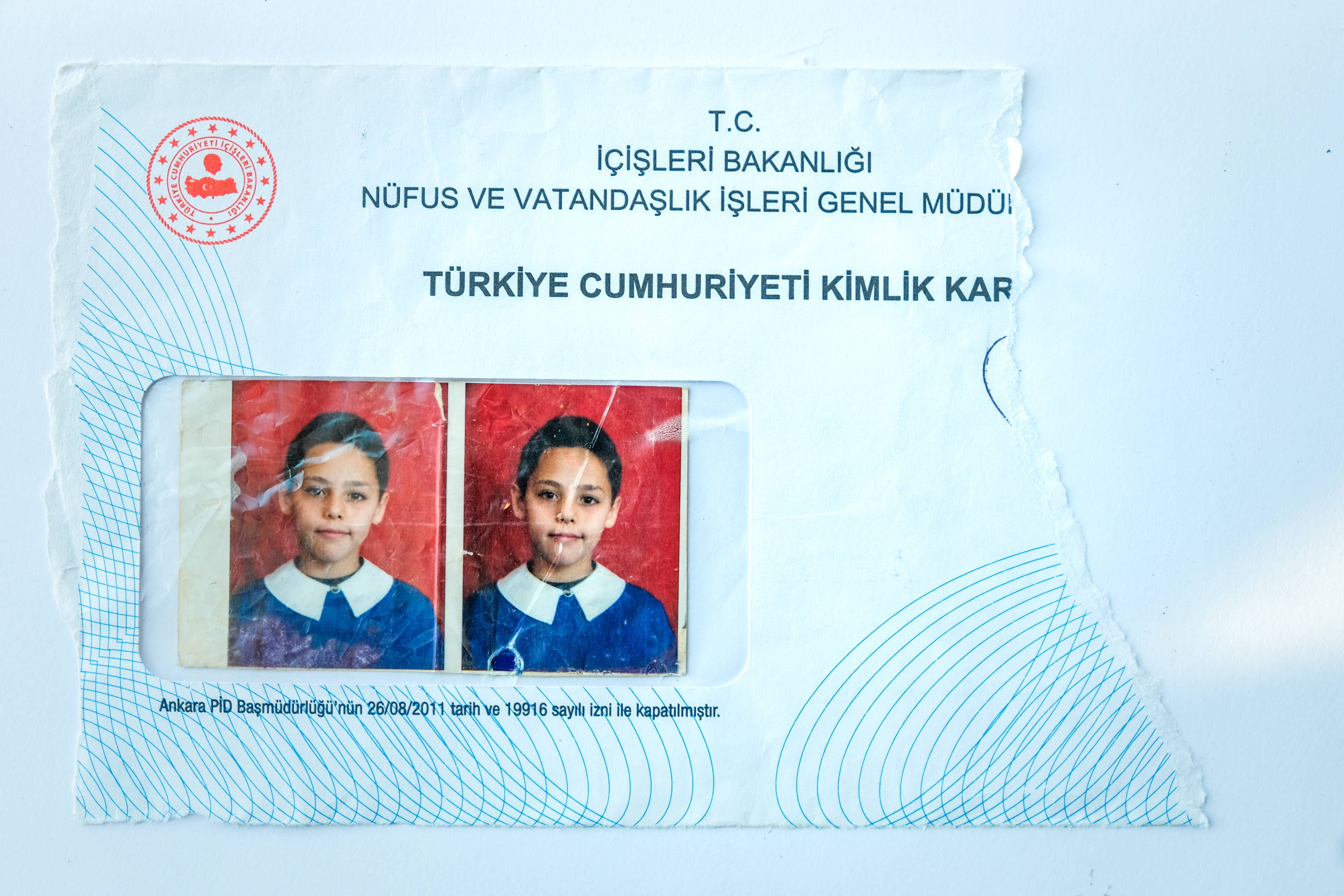
Serinin üretim sürecinde toplum tarafından aileme, ailem tarafından ise bana aktarılan değerleri ve bu değerlerin kimliğimi nasıl biçimlendirdiğini düşündüm. Seçmediğim bir dinin kimliğime yazılması, bir imamın kulağıma ismimi okuması, sünnet aracılığıyla bedenime müdahale edilmesi, iktidar kavramına yönelik imgelemimi şekillendiren aile bireylerimin benimle kurdukları otoriter ilişkiler gibi pek çok anıyla yüzleştim. Bilinç dışıma doğru bir sefere çıktım adeta. Belki de devletin en stratejik iş birlikçilerinden biri olan aile tarafından dayatılan kimlik kalıplarını, fotoğraflara müdahale etmek suretiyle yapı söküme uğratmayı amaçladım.
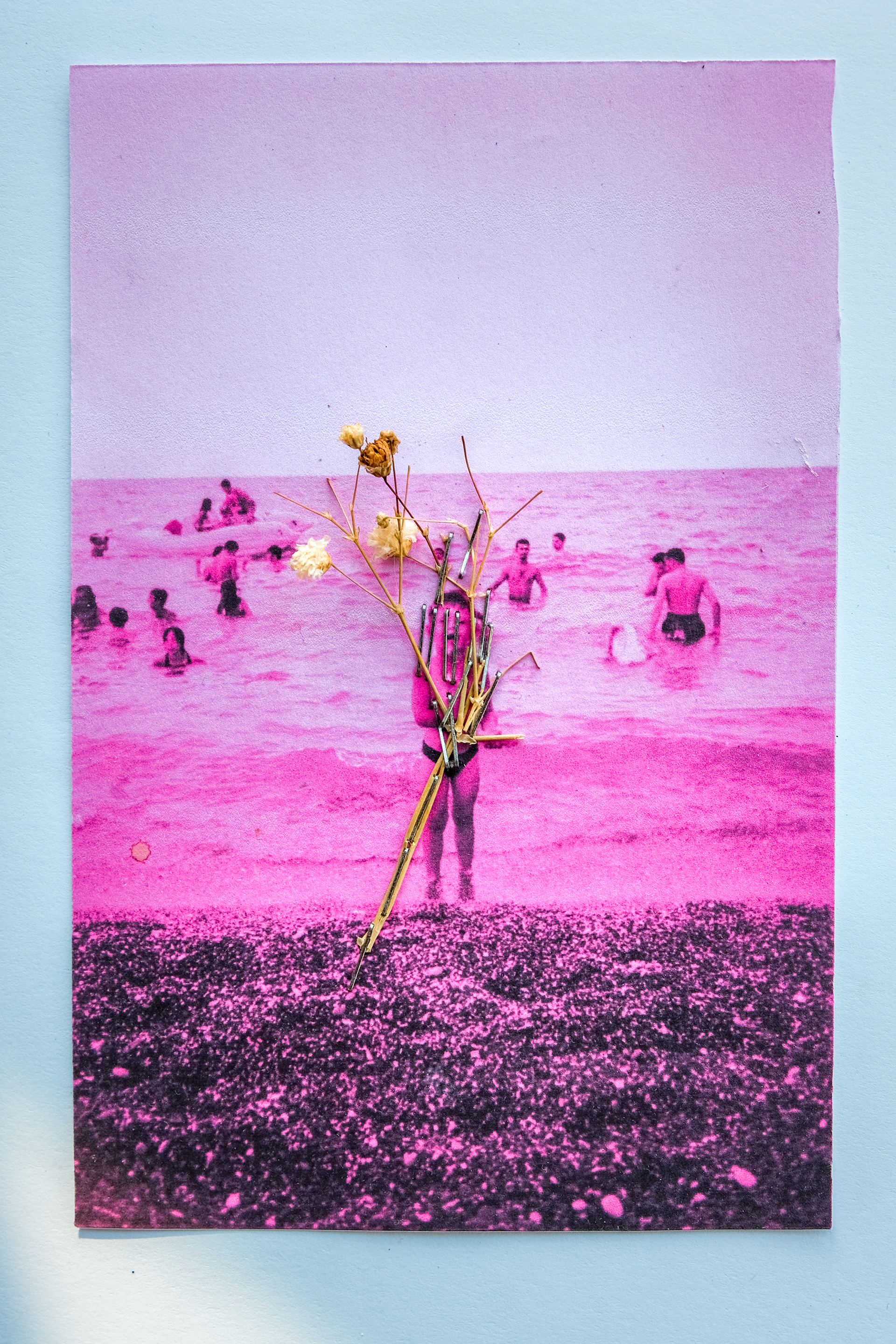
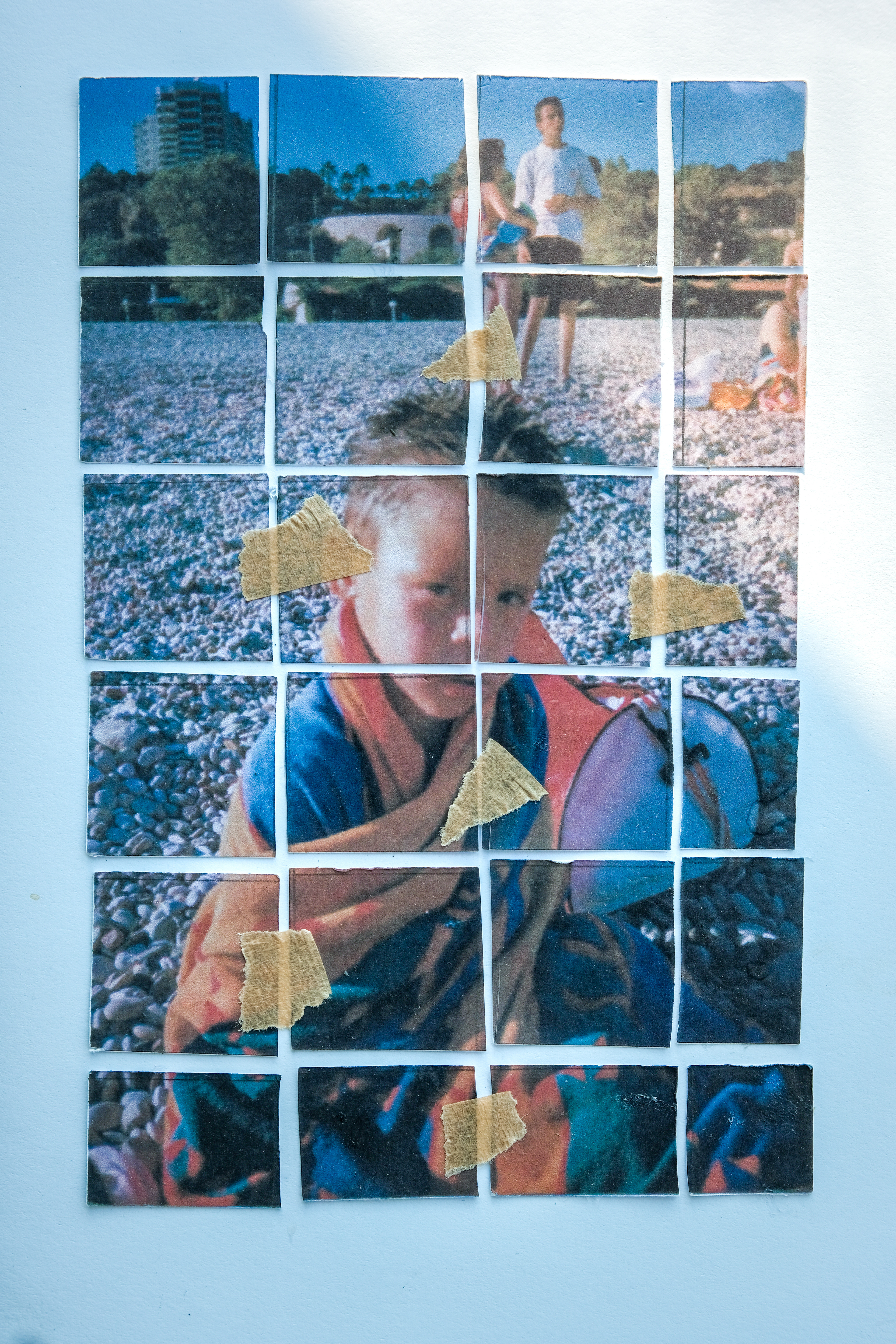
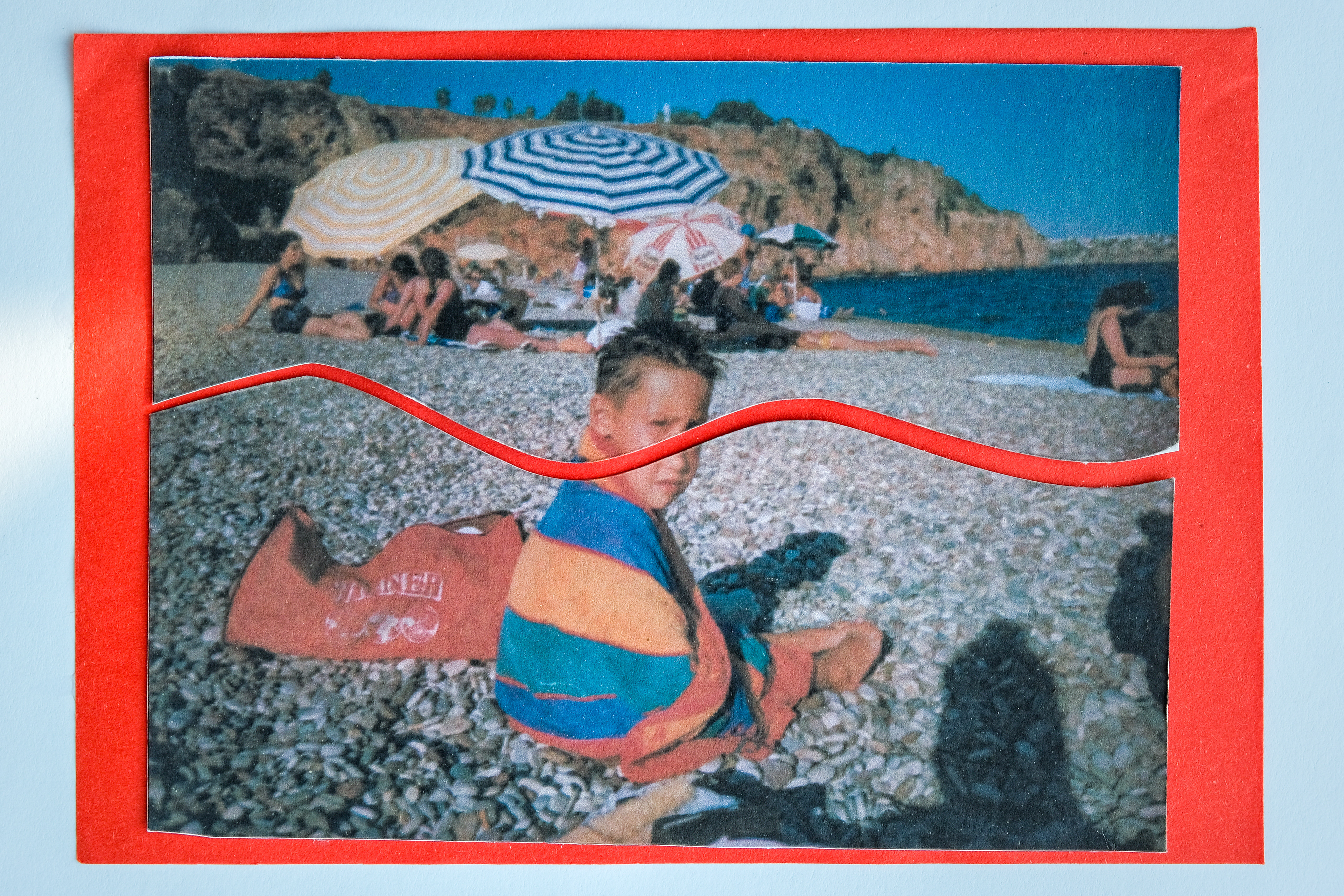
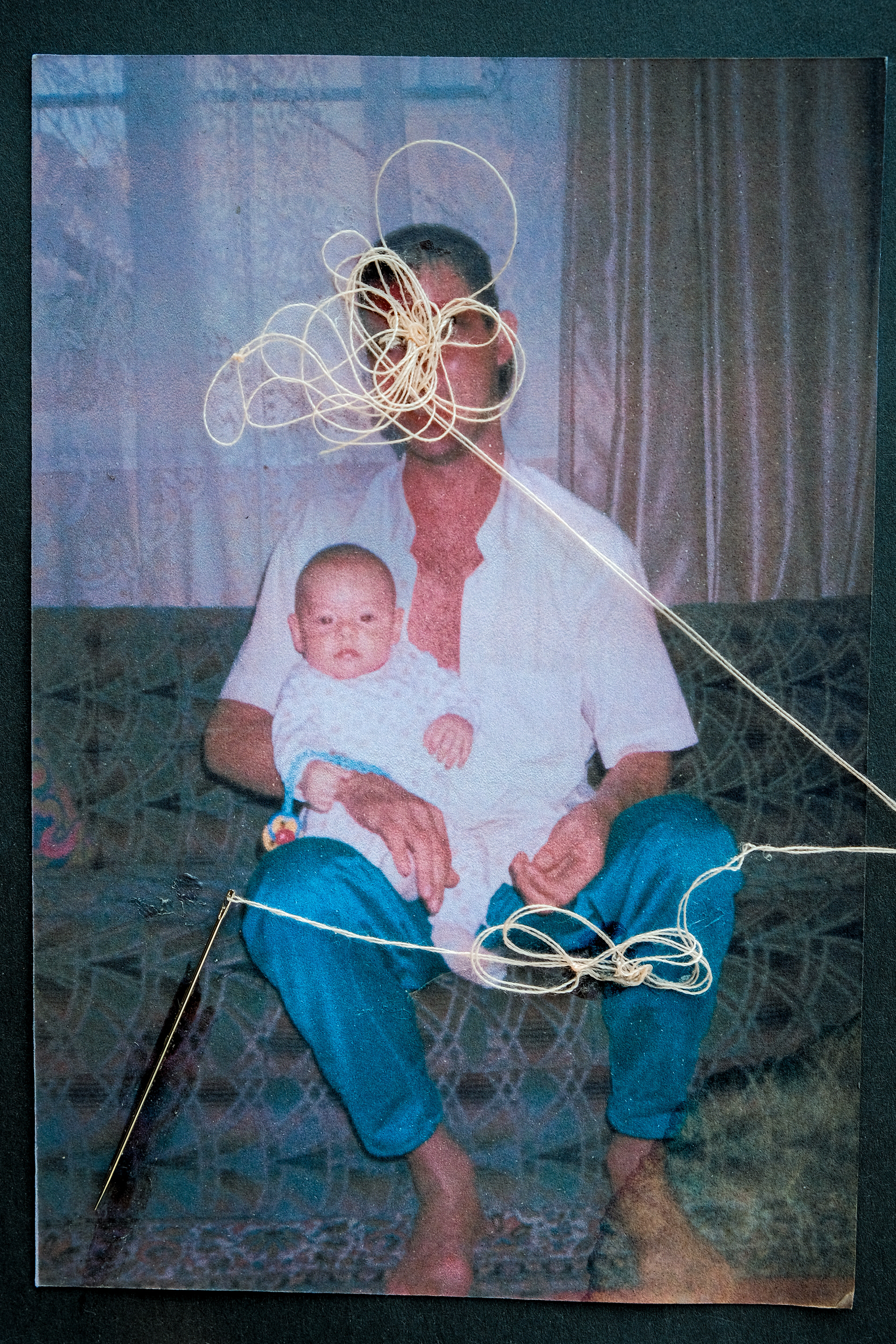
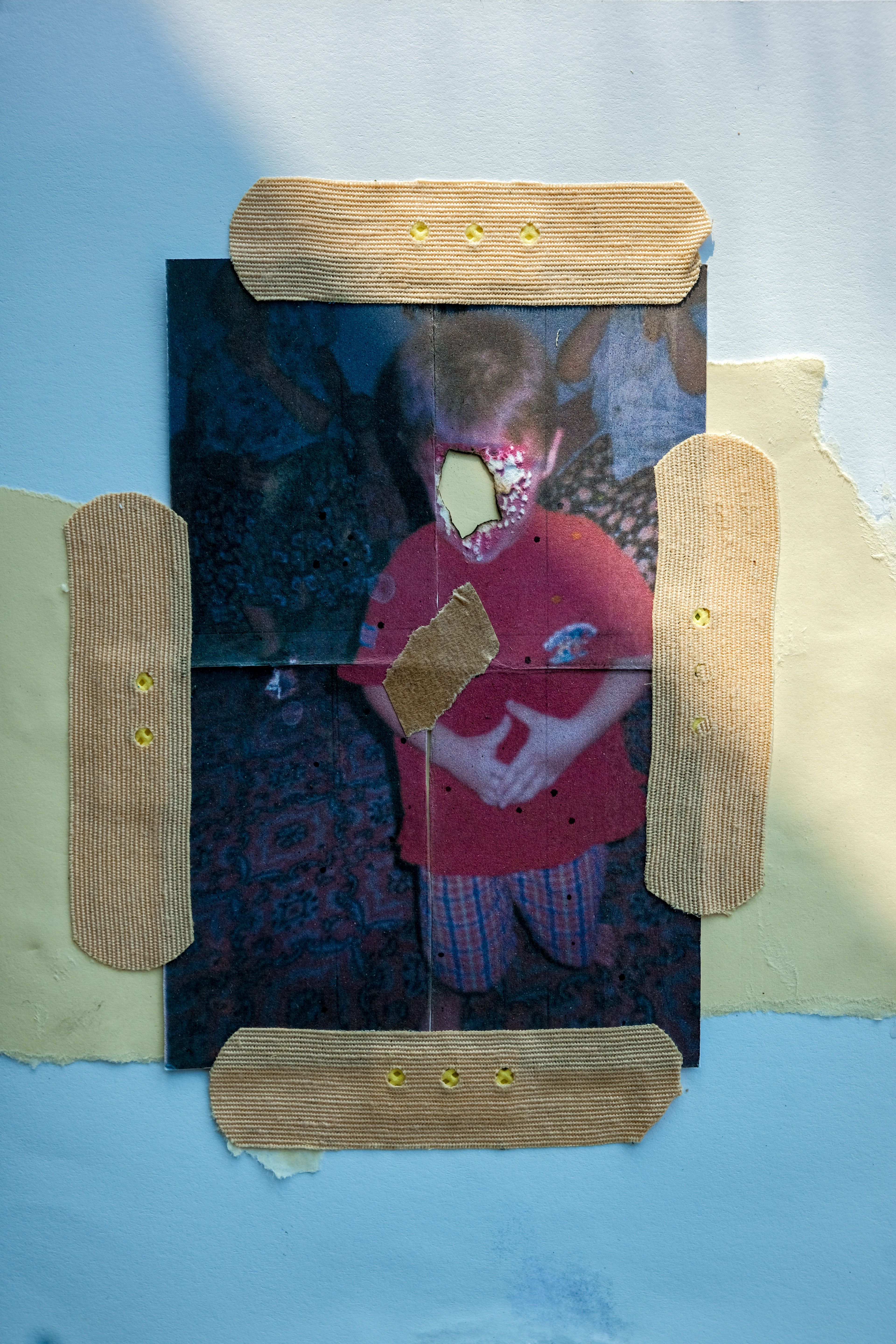
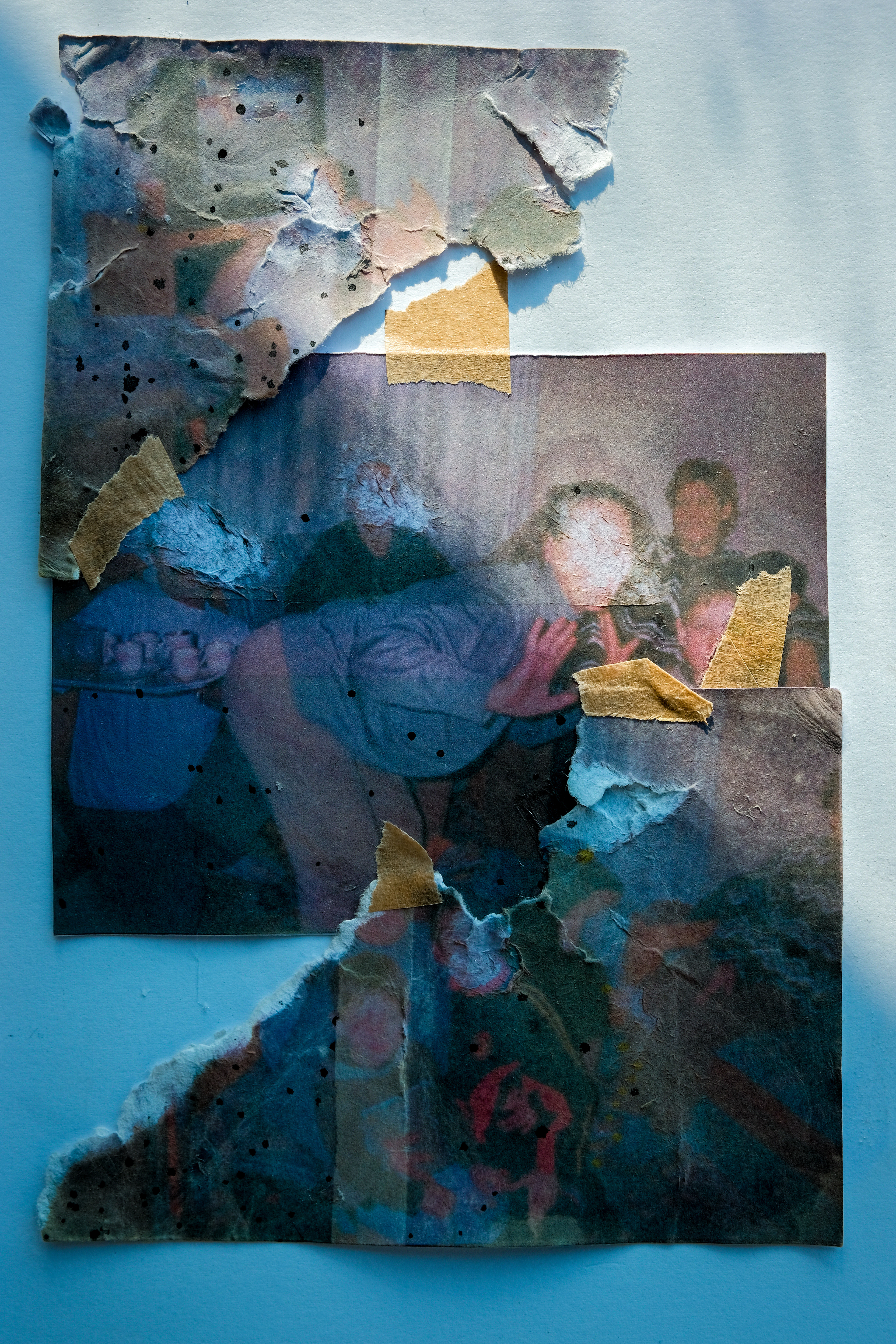
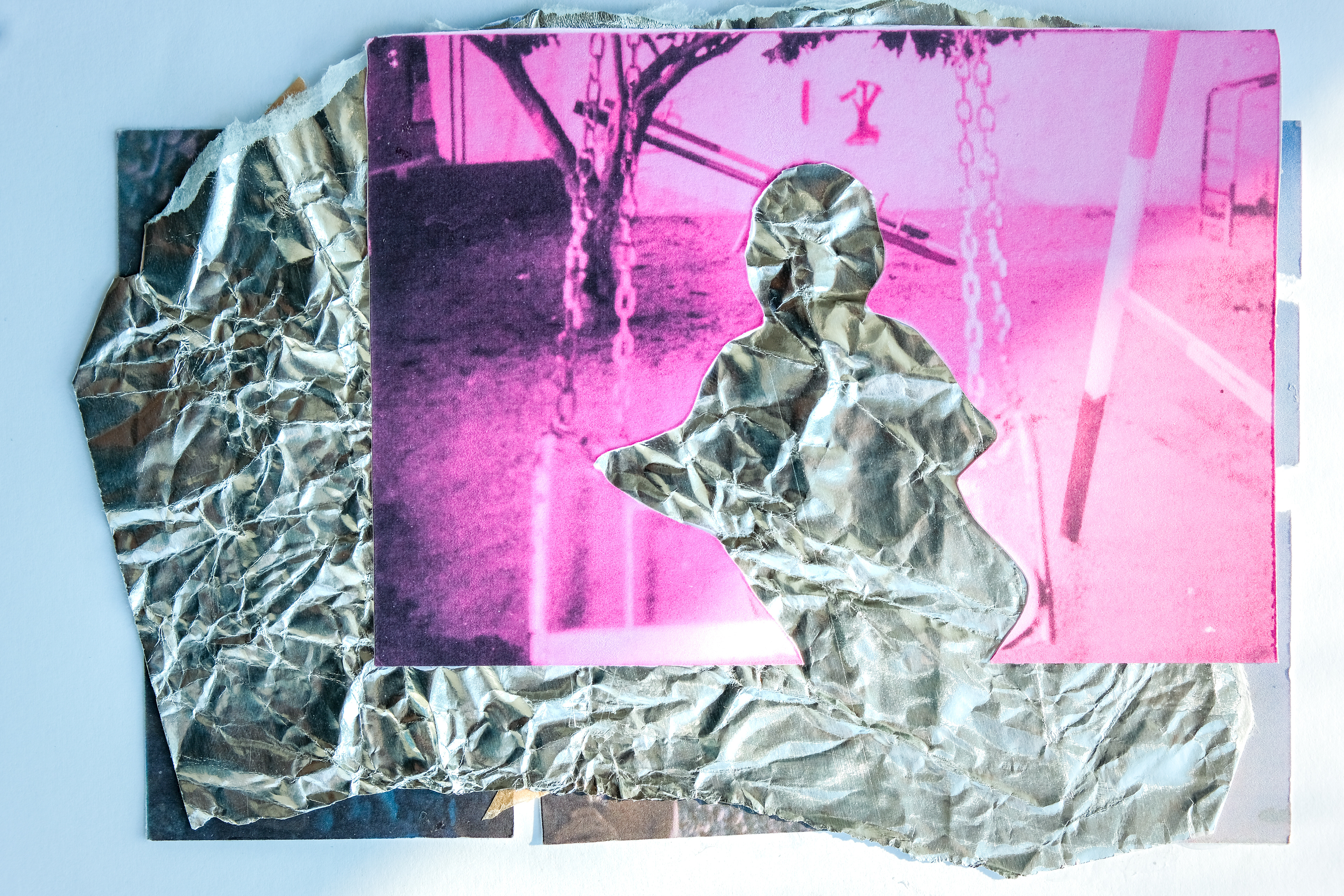
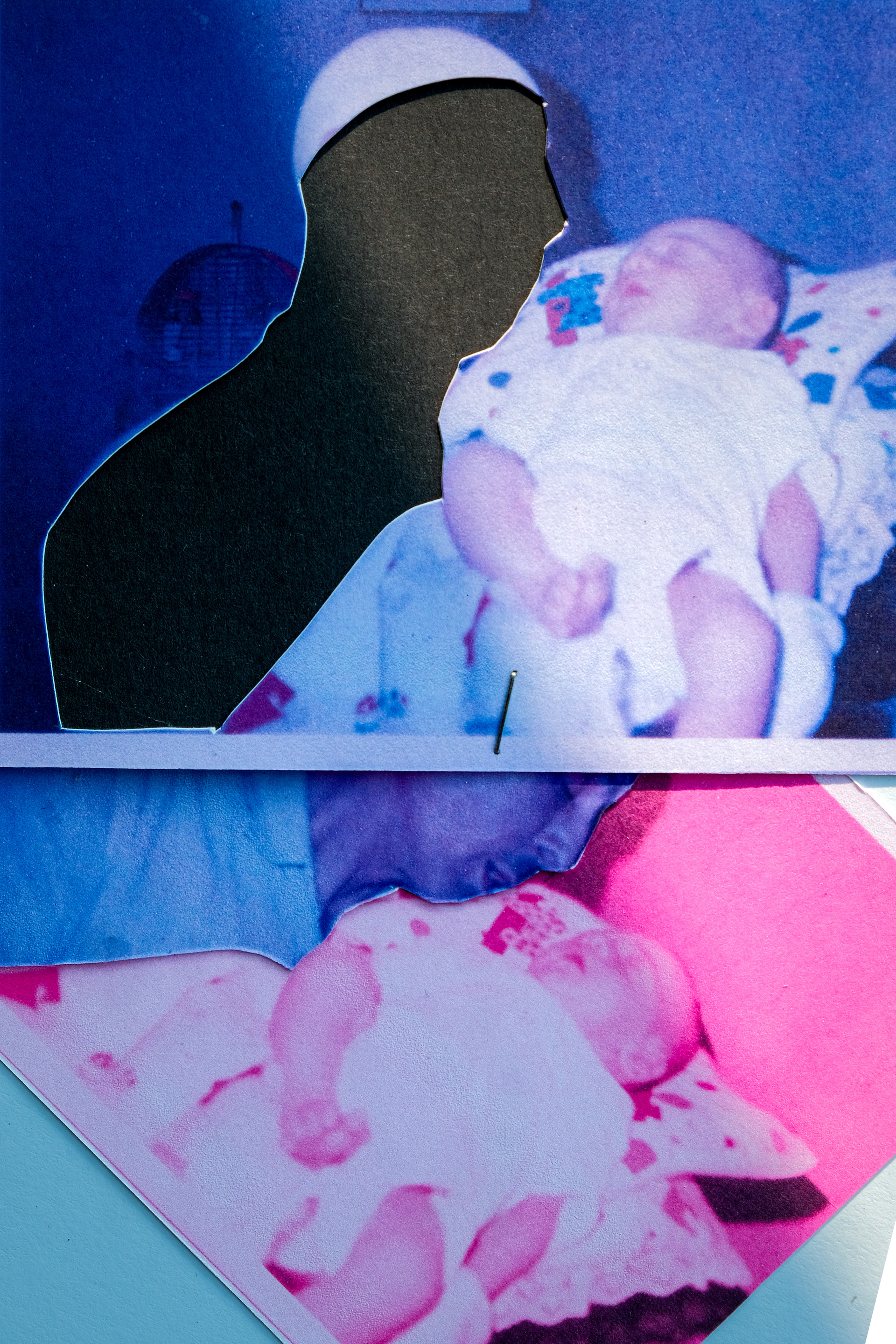
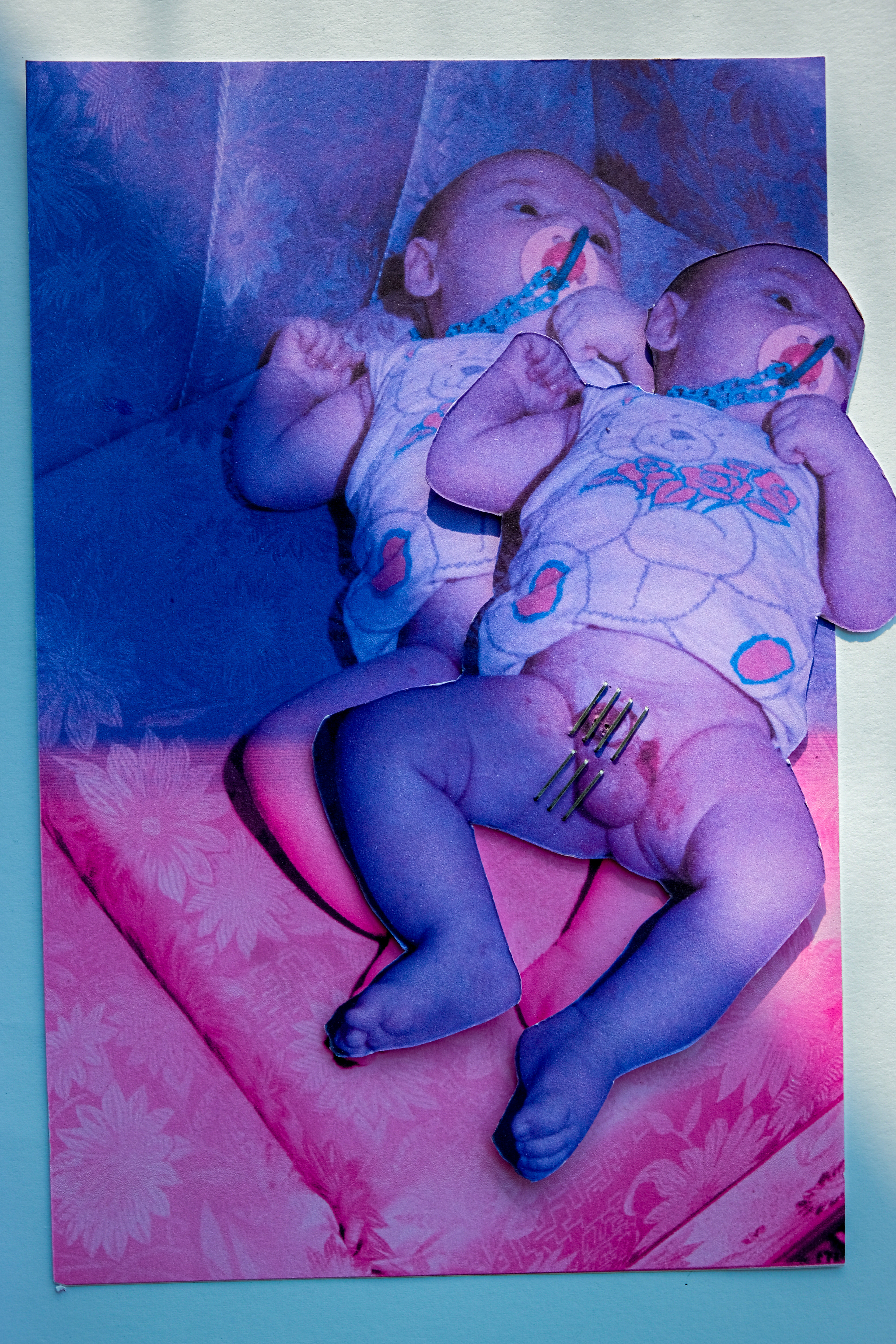
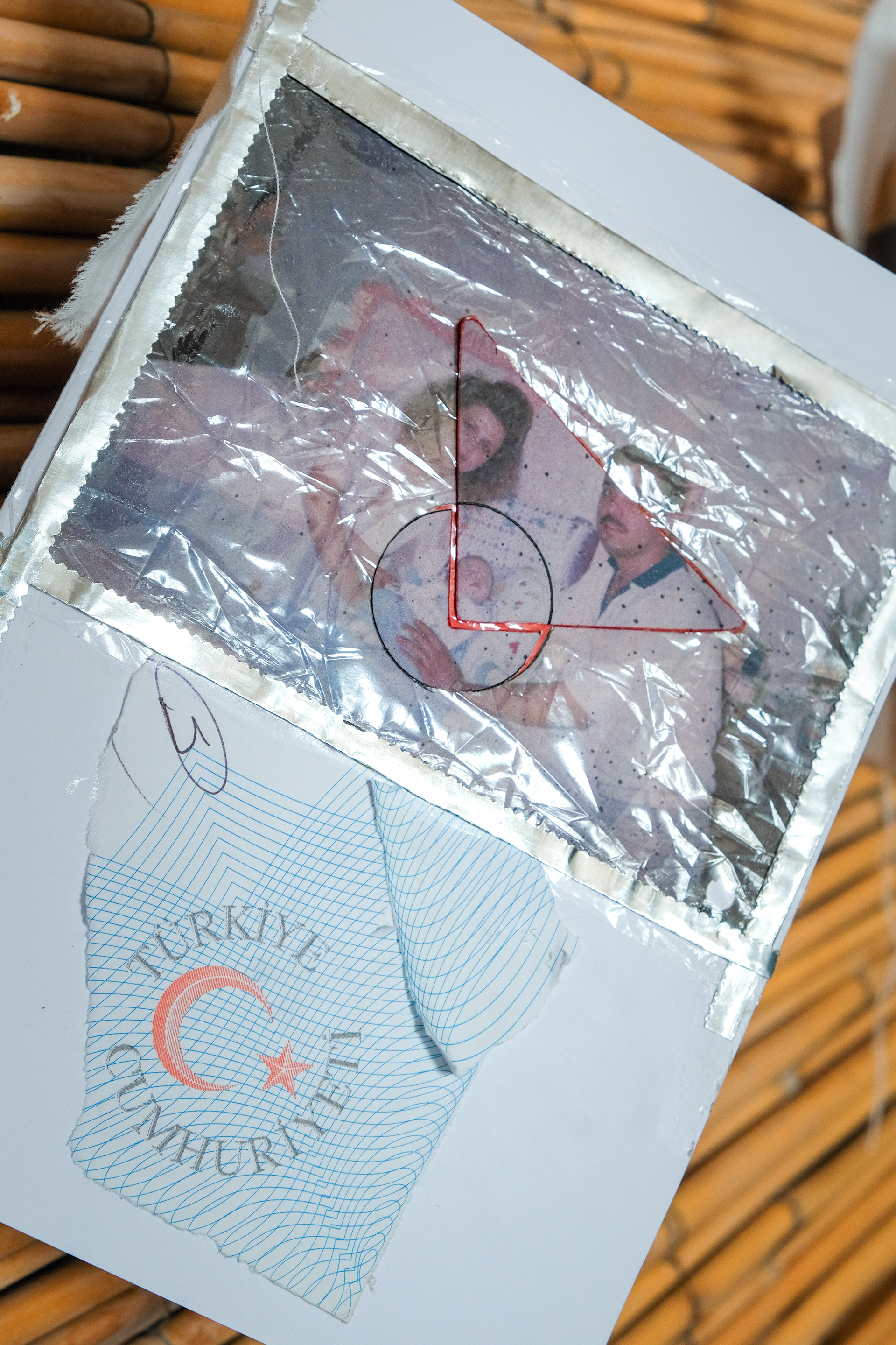
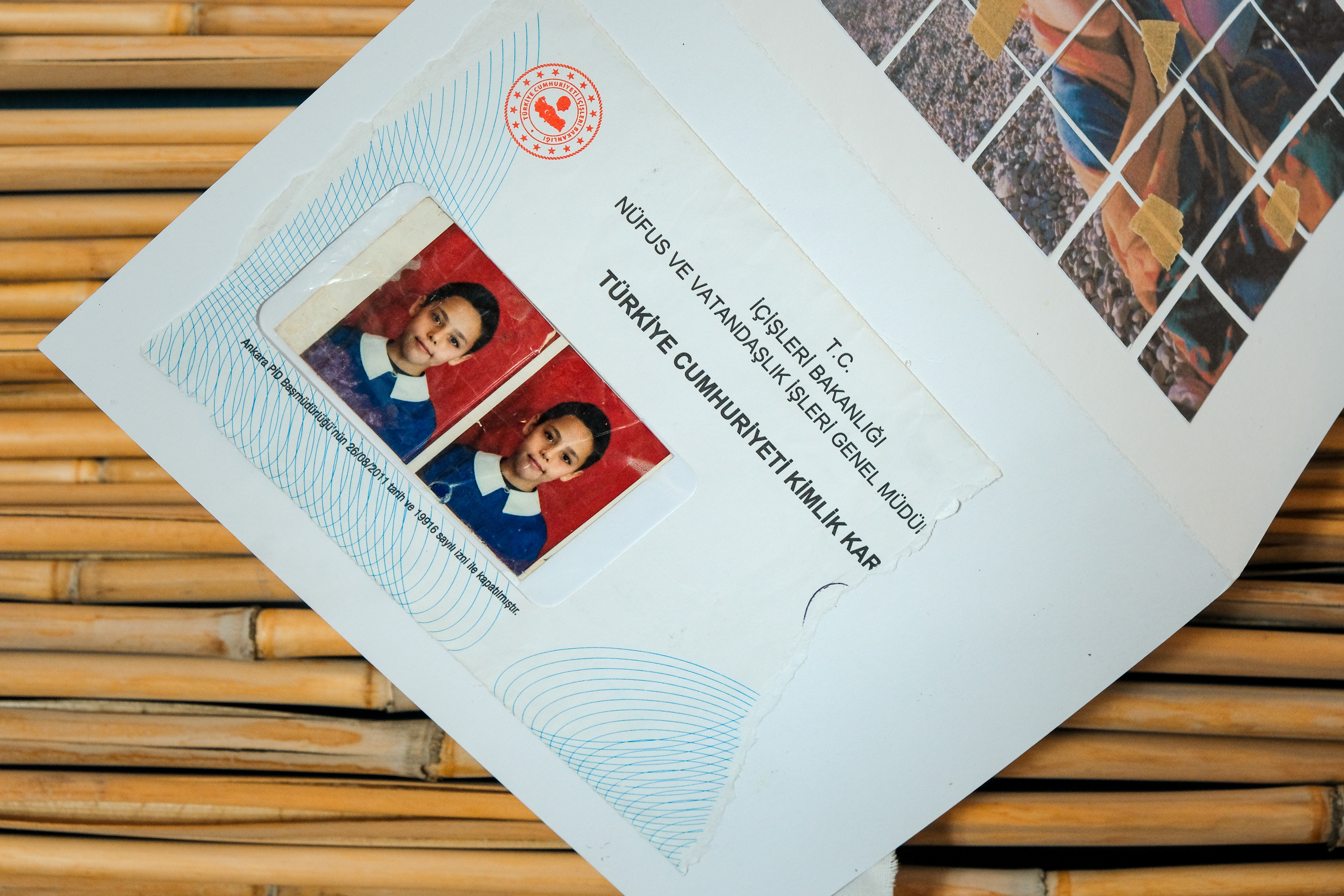
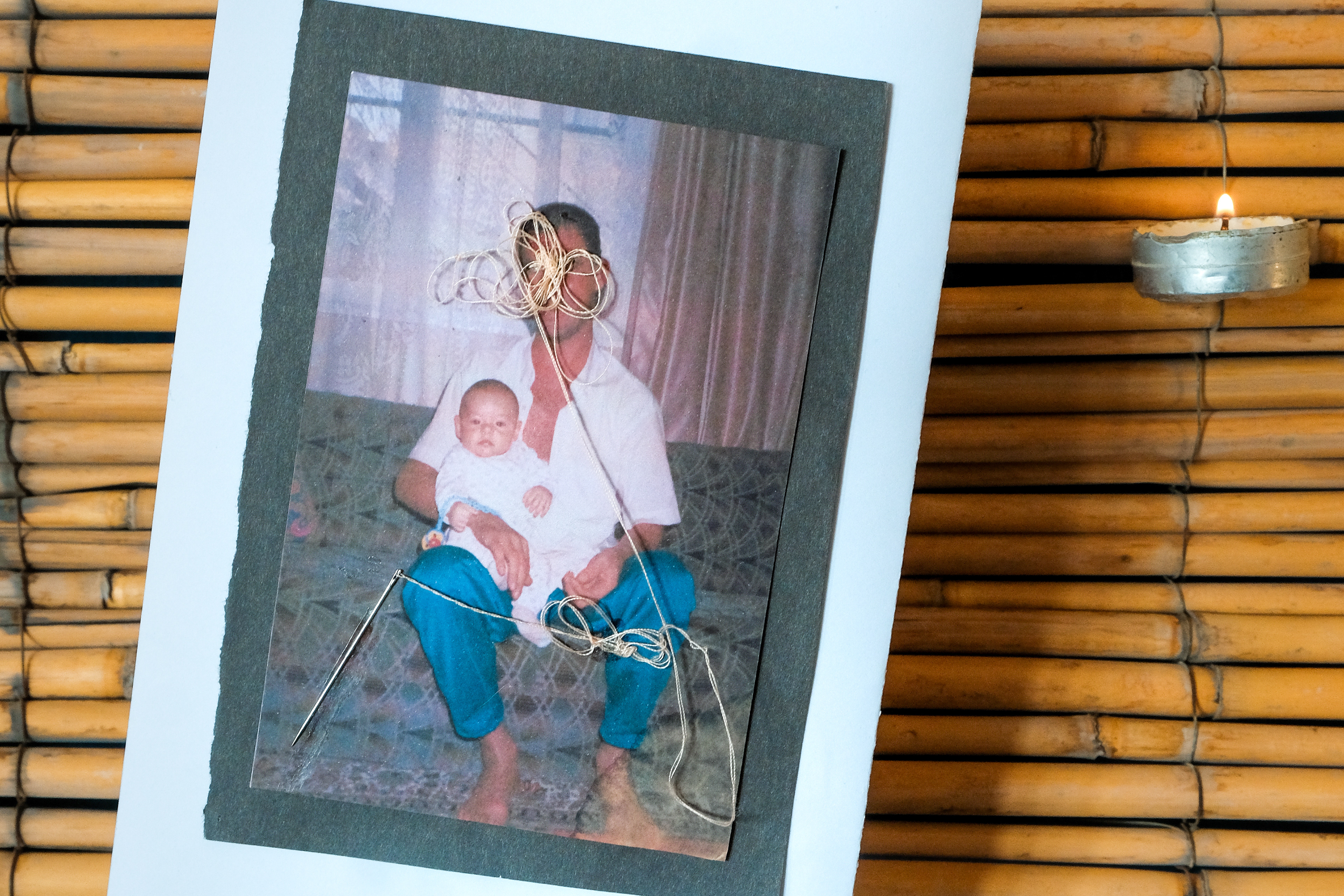
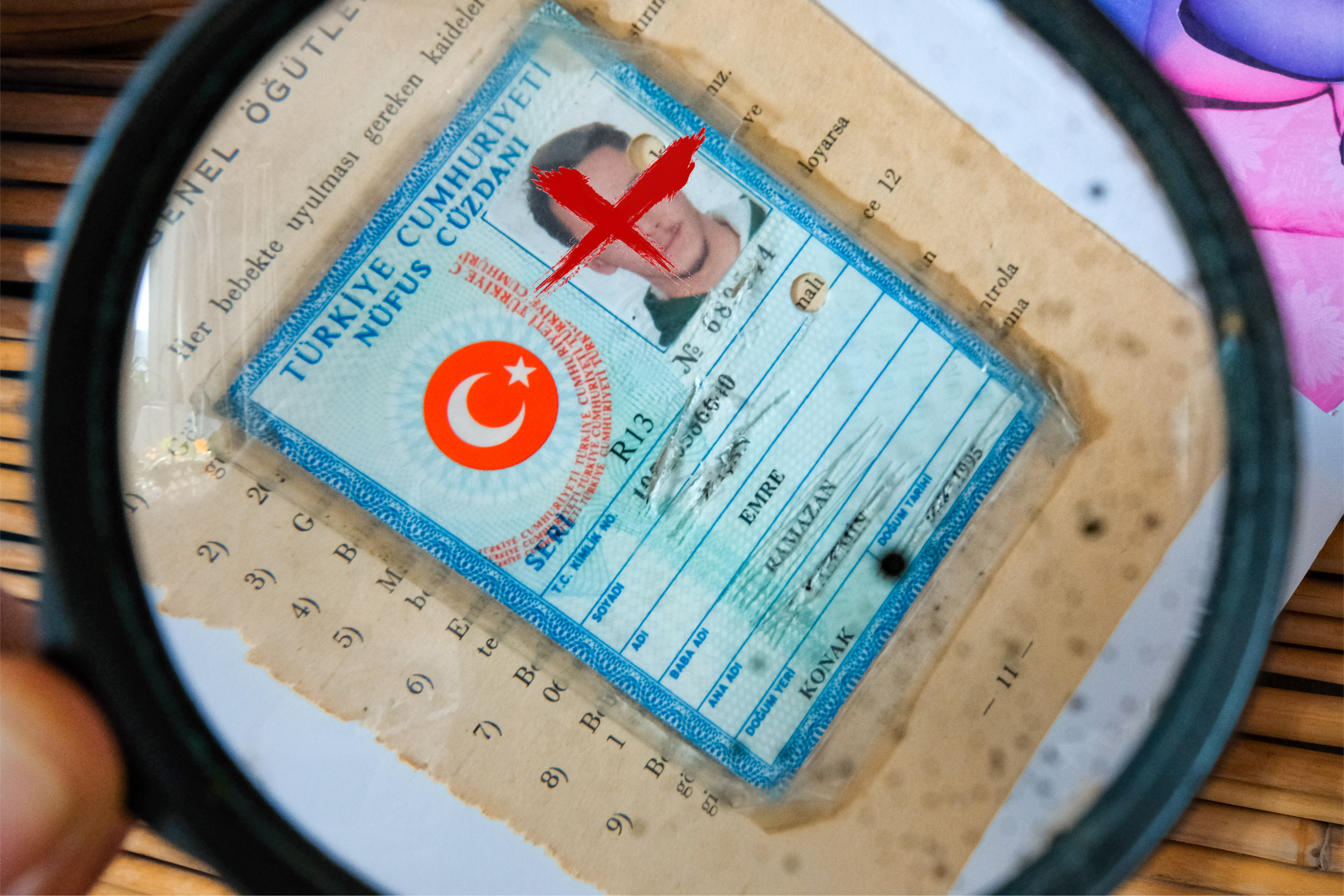
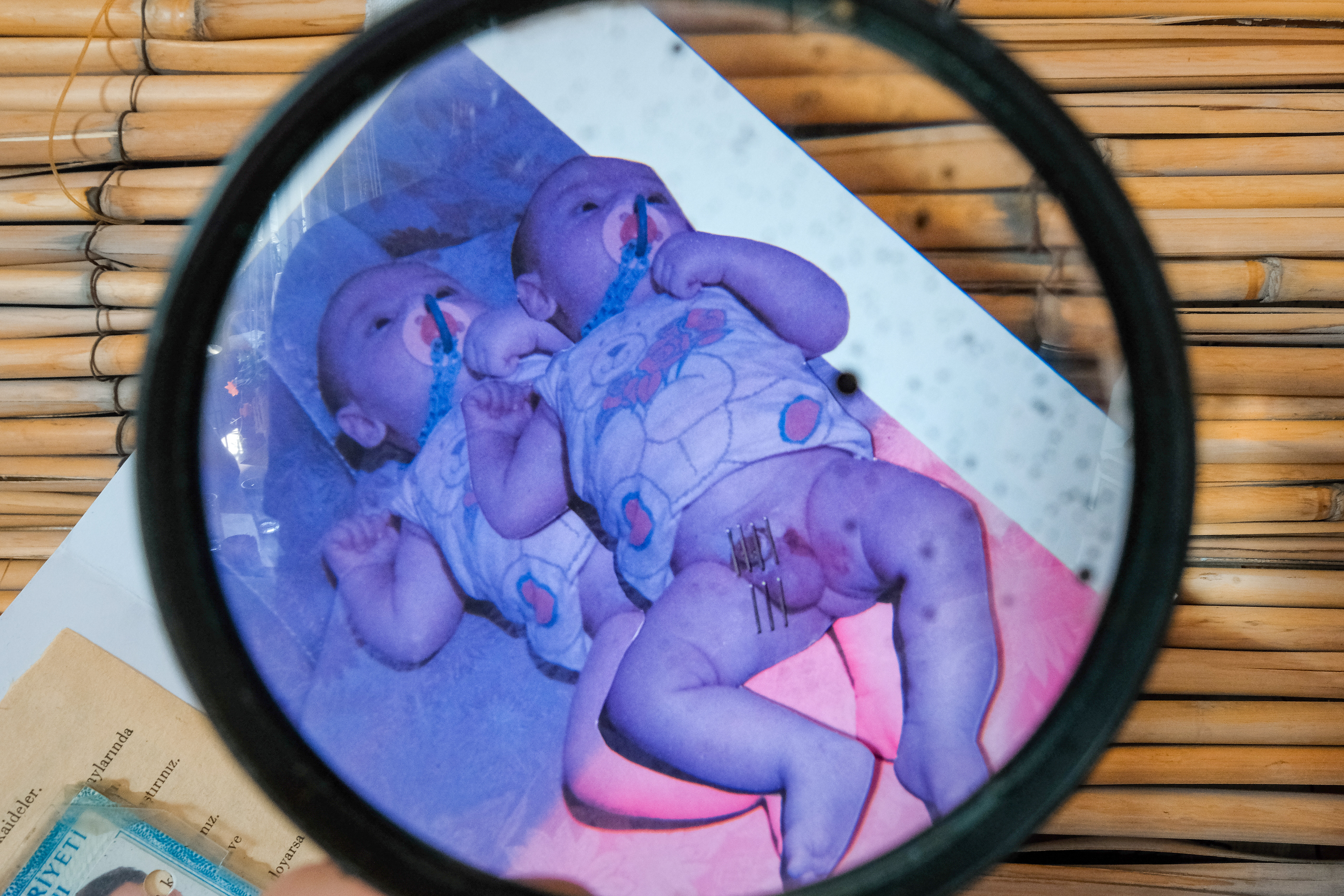
Aile albümlerinin, salt geçmişin saklandığı masum arşivler olmayıp aynı zamanda toplumsal cinsiyet ve ahlâka ilişkin değerlerin aktarılıp yeniden üretildiği araçlar olduklarını düşünüyorum. Kimliğimin yapı taşlarına ilişkin ipuçları sunan görselleri yakarak, zımbalayıp delerek, parçalara ayırıp yeniden birleştirerek bağlamlarından koparmaya çalıştım. Hafızamda yer etmiş ideolojik kodları deşifre ederek onlara başkaldırdım.
Teknik
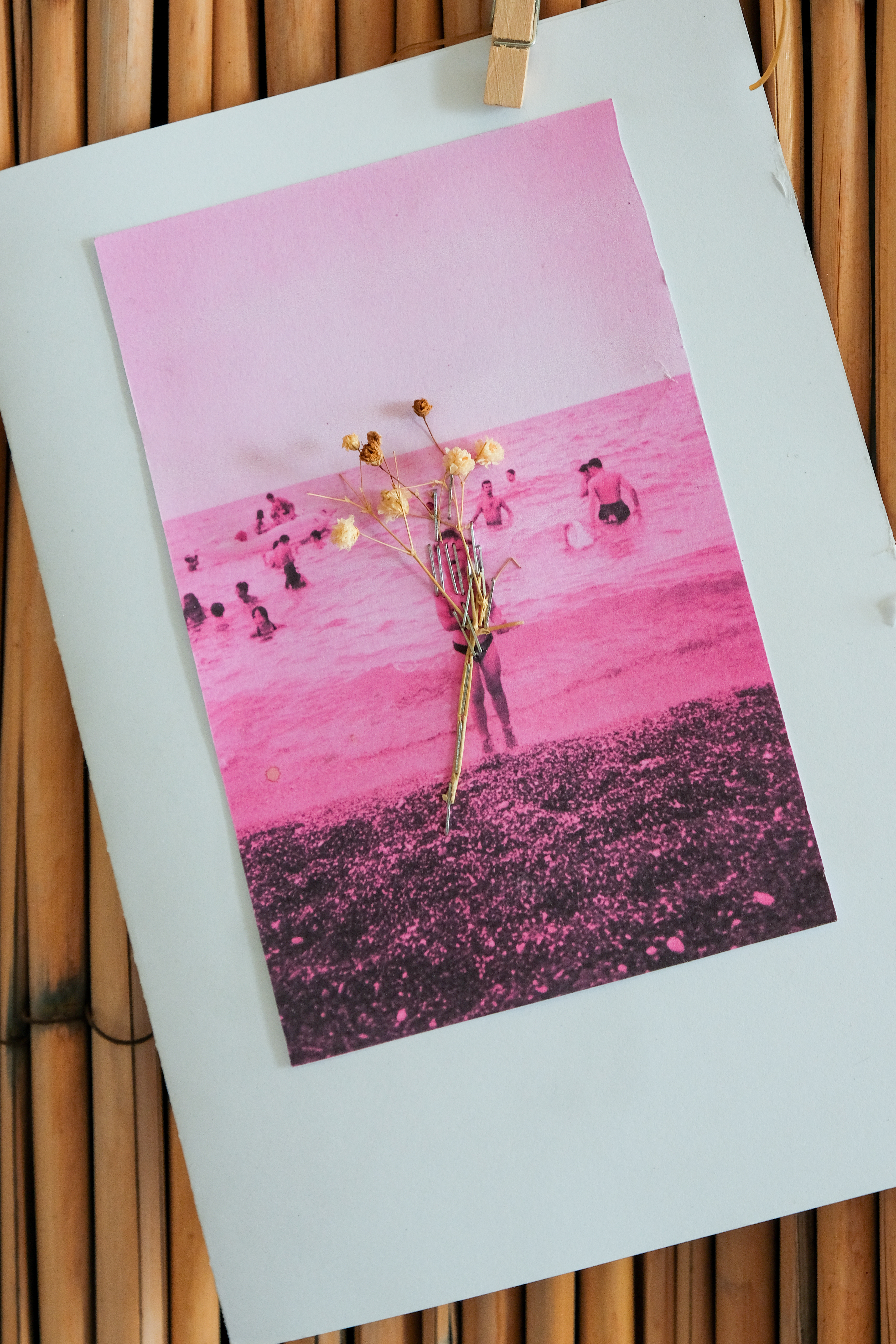
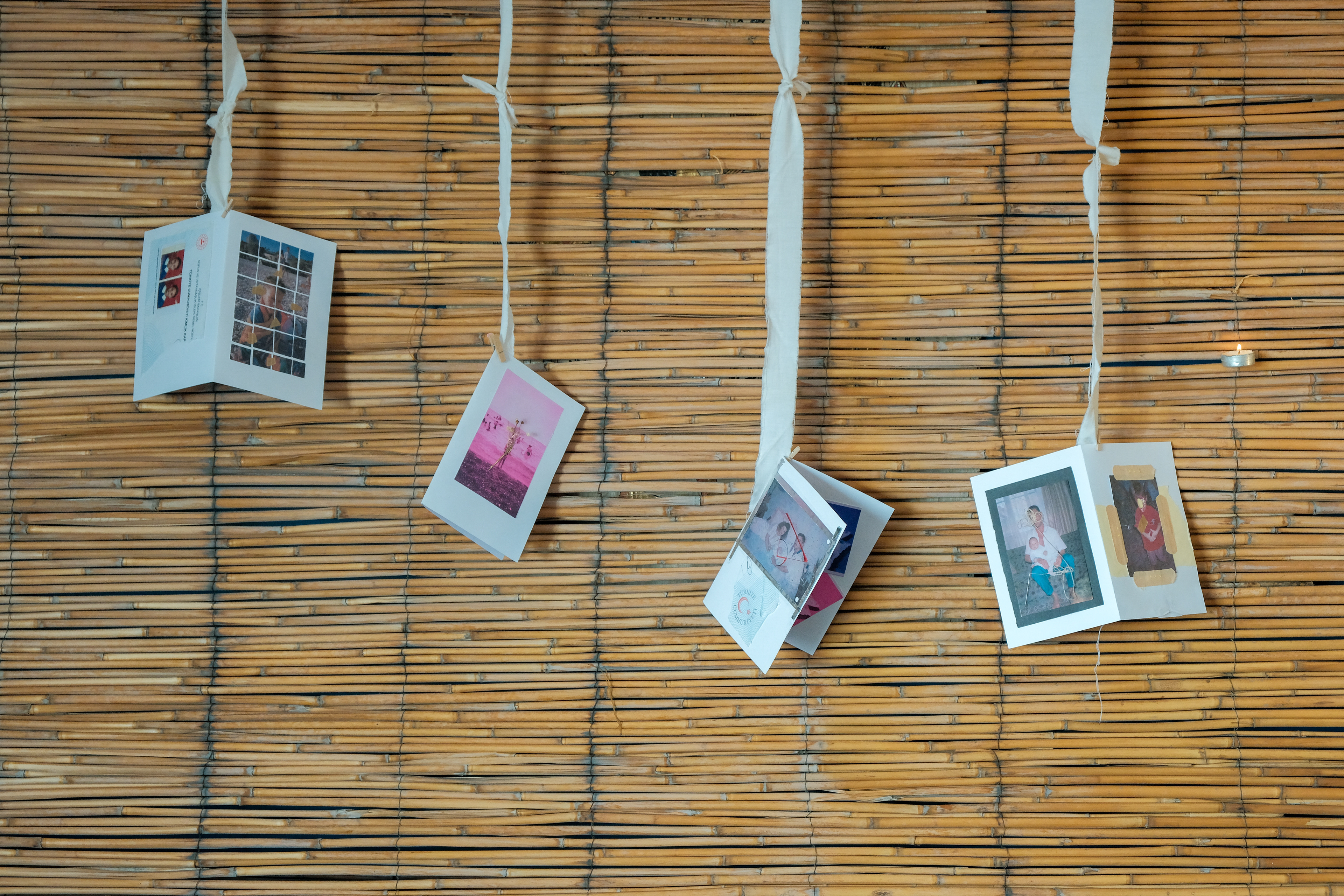
Ait oldukları aile albümlerinden koparılarak fiziksel müdahaleler yoluyla yeni anlamların üretildiği fotoğraflar, bir zine şeklinde kurgulandı. Arkalı önlü zine sayfaları, Türkiye’nin sayfiyelerinde görmeye aşina olunan hasır bir panele kefen bezini sembolize eden beyaz kumaş parçalarıyla asıldı. Hasır, hem sayfiyelerde kullanılan hem de İslam dinindeki defin törenlerinde kullanılan bir materyal olması bakımından bilinçli bir şekilde tercih edildi. Yerleştirme sırasında çekilen videolar birleştirildi ve dört farklı sesten oluşan bir ses kolajıyla harmanlandı. Chopin’in Cenaze Marşı’nın baskın olduğu ses kolajında sünnet mevlidinde okunan bir dua ve askeri yemin olmak üzere iki buluntu sese yer verildi. Son olarak eklenen Mehter Marşı ile kimlik oluşum sürecinin ritüelistik yapısının açığa çıkarılması amaçlandı.
-
Mending the Seams of Memory
Mending the Seams of Memory explores the possibilities of breaking free from socially constructed molds of individual identity through physical interventions into photographs from my family albums. Produced using techniques such as photography, installation, video, and sound collage, the series is both a personal engagement with my own memory and a political act of defiance that deciphers the ideological codes embedded within it.
During the production process, I reflected on the values transmitted to my family by society, and to me by my family, and on how these values shaped my identity. I confronted many memories: having a religion I did not choose inscribed onto my identity; an imam whispering my name into my ear; the intervention on my body through circumcision; and the authoritarian relationships established by my family members, which shaped my imagination of power. It was as if I embarked on a journey toward my unconscious. Perhaps my aim was to deconstruct the identity molds imposed by the family—one of the state’s most strategic collaborators—by intervening in the photographs.
I regard family albums not as innocent archives preserving the past, but as instruments through which values relating to gender and morality are transmitted and reproduced. I sought to detach the images—offering clues to the building blocks of my identity—from their contexts by burning, stapling, perforating, tearing them into pieces, and reassembling them. By deciphering the ideological codes lodged in my memory, I defied them.
Technique
Photographs removed from their family albums and physically altered to produce new meanings were arranged in the form of a zine. The double-sided zine pages were hung on a reed mat panel, familiar in Turkey’s seaside resorts, using pieces of white fabric symbolizing a burial shroud. The reed mat was deliberately chosen, as it is used both in leisure settings and in Islamic funeral rites. Videos recorded during the installation were edited together and combined with a four-layer sound collage. Dominated by Chopin’s Funeral March, the collage includes two found sounds—a prayer recited at a circumcision ceremony and the military oath. Finally, the addition of the Ottoman Mehter March was intended to reveal the ritualistic structure of identity formation.
One channel video, sound collage, 2025